In the search for environmentally friendly packaging solutions, terms such as “biodegradable,” “compostable” and “recyclable” are often used. But what do these terms actually mean and how do they differ from each other? In this article, we will explore the characteristics and benefits of each type of packaging material.
Biodegradable
Biodegradable packaging is often mistakenly described as compostable packaging. All packaging is basically biodegradable, but the time it takes for it to fully degrade varies greatly. This depends on factors such as the material from which the packaging is made and the environmental conditions in which it is thrown away. Some packaging can degrade relatively quickly, while others take much longer. For example, plastic packaging is also biodegradable, however, plastic packaging takes millions of years to break down. It is important to note that the biodegradability of a package does not mean that the degradation process occurs immediately; it can take days, months or even years, depending on the specific characteristics of the package and the environment in which it is left.
Compostable
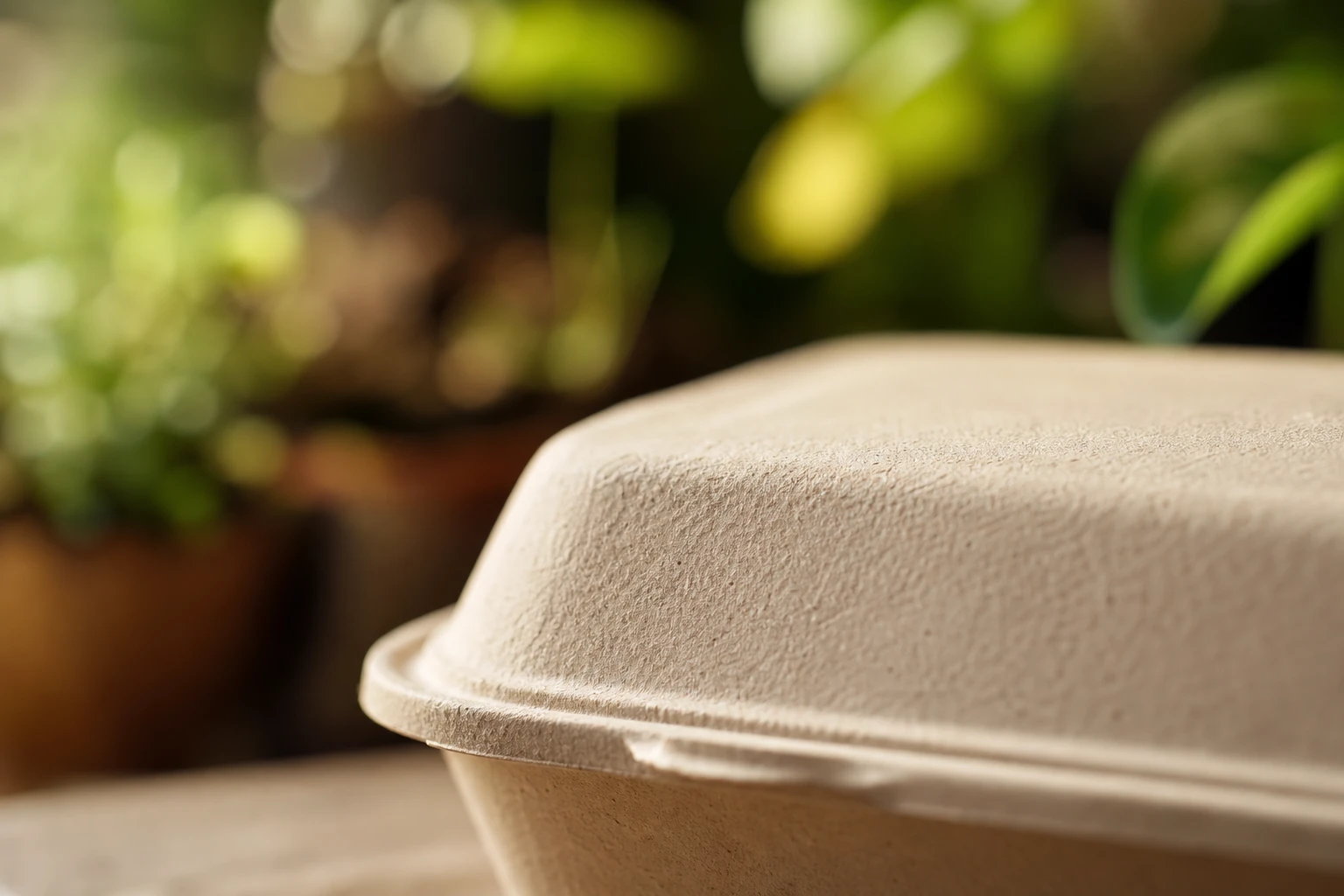
Compostable packaging is a sustainable alternative to conventional packaging. They are made from natural materials, such as potatoes, sugar, cellulose, corn starch or sugarcane. Microorganisms such as bacteria and fungi can break down these materials into natural substances. This reduces waste and reduces CO2 emissions into the environment.
There are standards associated with compostable, the EN13432 and the NF T51-800. According to the EN13432 and NF T51-800 standards, compostable packaging must be more than 90% degraded within 12 weeks, with the remnant no larger than 2 mm. Biodegradable, as mentioned earlier, has no time attached to it.
The most important aspect to highlight is that the term “compostable” is a protected term that is closely monitored according to international standards. This guarantees consumers that packaging sold as compostable meets strict criteria for degradation and environmental impact.
There are many benefits to using compostable packaging. Not only do they reduce waste in landfills, but they can also be turned into valuable compost, which promotes soil health and contributes to a more sustainable future. By choosing compostable packaging, companies can reduce their ecological footprint and contribute positively to the environment and society as a whole.
Recyclable
Recyclable packaging is purposely designed to be collected, recycled and then reused as raw materials for new products. Materials such as glass, paper, cardboard, metal and certain plastics can be recycled, reducing the need for new raw materials and energy. This packaging plays a vital role in reducing the amount of waste going to landfills. In addition, these packages help conserve natural resources.
Recyclable packaging offers several benefits, including reducing demand for new materials, minimizing negative environmental impact and promoting a circular economy. By choosing recyclable packaging, companies can reduce their environmental impact and actively contribute to a more sustainable future.
In short, recyclable packaging is a crucial part of an environmentally conscious approach for businesses and consumers. In doing so, recycling is encouraged, waste is reduced and natural resources are conserved.