More and more people are becoming aware of the impact of waste on our environment and are looking for ways to reduce this impact. Much of our waste consists of the use of packaging materials. One way to reduce the impact of waste on our environment is to use biodegradable packaging. But what exactly are they?
A sustainable alternative
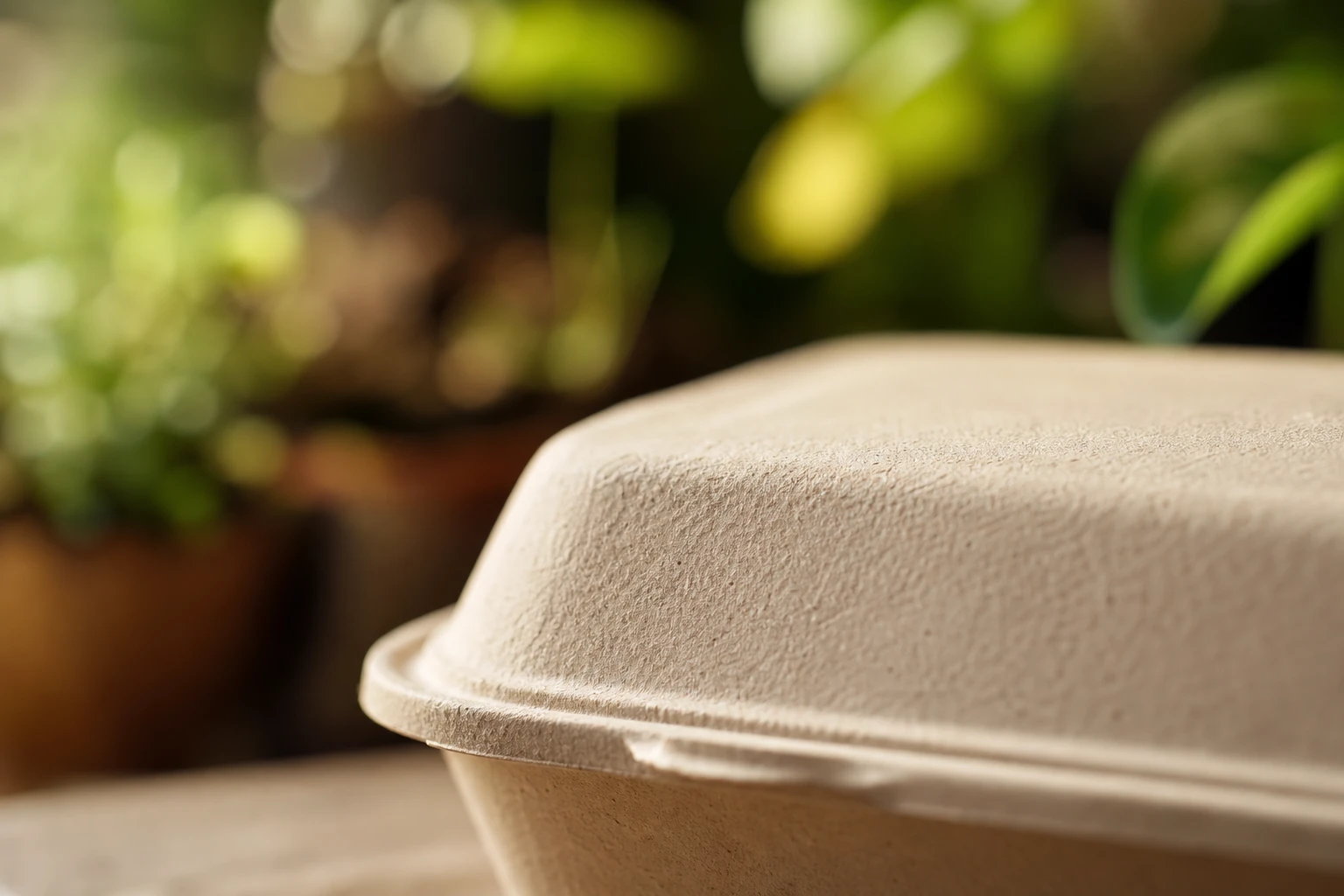
Biodegradable packaging is a sustainable alternative to conventional packaging. They are made from natural materials, such as potatoes, sugar, cellulose, corn starch or sugarcane. Microorganisms such as bacteria and fungi can break down these materials into natural substances. This reduces waste and reduces CO2 emissions into the environment.
It is important to know the difference between biodegradable and compostable. Compostable has a standard attached to it (the EN13432), which requires a product to be 90% degraded within 12 weeks under certain conditions. Biodegradable has no time limit. Everyone understands that a tree is biodegradable.
Benefits of biodegradable packaging
A key benefit of sustainable packaging is that it reduces its impact on the environment. Traditional packaging can linger in the environment for years and cause pollution, including marine pollution (pollution of the ocean) and clogging of sewers. In addition, conventional packaging causes the depletion of raw materials and energy resources due to the high demand for energy and raw materials for their production.
Sustainable packaging uses less energy and raw materials such as petroleum than conventional packaging. They have a shorter lifespan and can be composted. This means that the substances in which the packaging breaks down are useful to the soil instead of becoming waste.
In short, it is important to understand what biodegradable packaging is and how it affects the environment. This packaging is an important aspect of making conscious choices and contributing to a more sustainable future. By using these packages, together we can make a difference and reduce the impact on our environment.